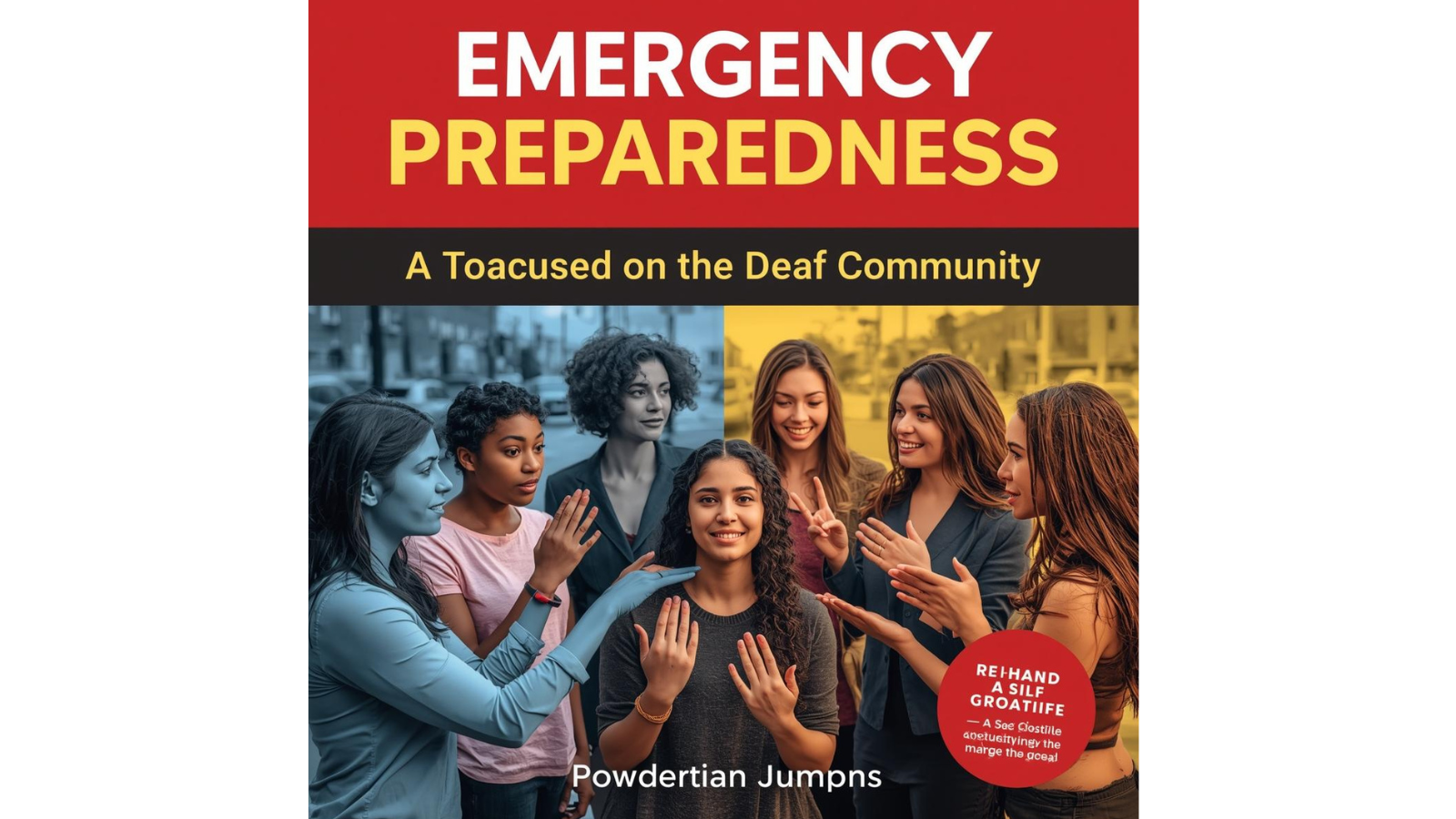
Emergencies do not give warnings that are easy to predict. Earthquakes, floods, fires, storms, accidents, and medical crises can happen at any moment. For many people, emergency alerts come through sound — sirens, loudspeakers, radio announcements, or shouted warnings.

But what happens when sound is not accessible?
For Deaf and hard-of-hearing individuals, emergency preparedness requires more than basic planning. It requires accessible systems, visual alerts, strong communication strategies, and community awareness.
Safety should never depend on the ability to hear.
This guide explores practical, realistic, and empowering steps the Deaf community can take to prepare for emergencies — and how society can support inclusive safety systems.
- Understanding the Unique Risks
Emergencies are stressful for everyone. However, Deaf individuals may face additional barriers such as:
• Not hearing sirens or alarms
• Missing emergency announcements
• Communication gaps with first responders
• Limited access to real-time updates
• Delayed evacuation information
These risks are not caused by deafness itself. They are caused by systems designed primarily for hearing populations.
Preparedness is about closing that gap.
- Why Emergency Planning Is Especially Important
Because communication barriers can delay information during crises, planning ahead is critical.
Preparation reduces panic. It increases confidence. It creates control in situations that often feel overwhelming.
When Deaf individuals and families create emergency plans tailored to their needs, they strengthen safety and independence.
- Building a Personalized Emergency Plan
A strong emergency plan should include:
• A list of emergency contacts (family, neighbors, interpreters)
• Pre-determined meeting locations
• Visual communication strategies
• Backup communication devices
• Medical information cards
Discuss emergency scenarios in advance:
What will you do in case of fire?
Where will you go during a flood?
How will you communicate if internet service fails?
Planning ahead saves time during real emergencies.
- Accessible Alert Systems: The First Line of Safety
Traditional smoke alarms rely on sound. For Deaf individuals, visual and vibrating alerts are essential.
Important safety tools include:
• Flashing light smoke alarms
• Bed-shaker alarm systems
• Vibrating emergency alert devices
• Smartphone emergency alert apps
• Weather notification apps with visual alerts
Modern technology has improved accessibility, but awareness is still growing. Make sure your home uses visual or vibration-based alert systems.
- Emergency Kits Designed for Accessibility
Every household should have an emergency kit. For Deaf individuals, this kit should include additional communication tools.
Basic emergency kit items:
• Flashlight and extra batteries
• First-aid supplies
• Water and non-perishable food
• Power banks or portable chargers
• Written communication cards
• Whistle (for visual attention)
• Extra hearing aid batteries (if applicable)
Preparedness includes both survival needs and communication needs.

- Communication with First Responders
One of the biggest concerns during emergencies is communicating with police, firefighters, or medical staff.
Preparation strategies include:
• Carrying a card that explains communication needs
• Using pre-written phrases in a phone note app
• Keeping emergency contact details visible
• Learning basic emergency signs
• Informing local emergency services about Deaf household members
Some communities allow residents to register accessibility needs in advance with emergency departments.
This proactive step can save time during crisis situations.
- Technology as a Lifesaving Tool
Technology plays a critical role in Deaf emergency preparedness.
Useful tools include:
• Text-to-911 services (available in many regions)
• Video relay services (VRS)
• Real-time captioning apps
• Emergency alert smartphone notifications
• Smart home devices with visual alerts
However, technology should not be the only backup plan. Power outages and network disruptions can happen.
Always have alternative communication methods available.
- Workplace and School Preparedness
Safety planning should not stop at home.
Workplaces and schools must provide accessible emergency protocols. This includes:
• Visual fire alarms
• Captioned emergency announcements
• Evacuation instructions in written form
• Interpreters during drills
• Clear signage
Deaf employees and students should advocate for inclusive safety measures — and institutions must take responsibility.
- Community Networks and Support Systems
Strong community networks increase safety.
Neighbors, friends, and local Deaf organizations can:
• Share emergency updates
• Assist during evacuations
• Provide transportation
• Offer temporary shelter
Community preparedness reduces isolation during crises.
Emergency safety is not just individual — it is collective.
- Mental Health During Emergencies
Emergencies can cause anxiety, trauma, and stress. Communication barriers may intensify those feelings.
It is important to:
• Stay connected with trusted contacts
• Seek accessible counseling if needed
• Practice calming techniques
• Prepare emotionally as well as physically
Preparedness reduces fear because it replaces uncertainty with strategy.
- Natural Disasters and Deaf Accessibility
Different disasters require different strategies.
For example:
Earthquakes:
Keep sturdy shoes and flashlight near bed. Use visual alert systems.
Floods:
Monitor weather apps with visual notifications.
Storms:
Charge devices in advance. Monitor text alerts.
Wildfires:
Prepare evacuation bag early and monitor official updates through captioned broadcasts or apps.
Each region has different risks. Customize your plan accordingly.
- Advocating for Inclusive Emergency Systems
True safety requires systemic change.
Governments and agencies must ensure:
• Captioned emergency broadcasts
• Sign language interpreters during live updates
• Text-based alert systems
• Inclusive disaster planning policies
Advocacy improves long-term safety for everyone.
- Training Family Members and Children
If a Deaf child lives in a hearing household, or vice versa, family members should:
• Learn basic sign language for emergencies
• Practice evacuation drills visually
• Establish visual signals
• Teach children how to use text-based emergency services
Preparedness should be practiced regularly — not only discussed.
- Travel Safety for Deaf Individuals
When traveling:
• Research local emergency services
• Save local text emergency numbers
• Inform hotel staff about accessibility needs
• Carry written communication cards in the local language
Preparedness extends beyond home.
- Reducing Dependence on Sound-Based Systems
Society often assumes hearing equals safety.
But true universal design benefits everyone. Visual alarms, captioned announcements, and clear signage help:
• Deaf individuals
• Elderly populations
• Non-native language speakers
• People in noisy environments
Accessible emergency systems are not special treatment — they are smart design.
- Empowerment Through Preparedness
Preparedness is empowering.
It transforms fear into readiness. It reduces vulnerability. It builds confidence.
When Deaf individuals take proactive steps, they move from being passive recipients of emergency systems to active participants in safety planning.
- Overcoming Common Barriers
Barriers may include:
• Lack of awareness
• Cost of accessible equipment
• Limited community resources
• Inconsistent policies
Solutions include:
• Researching government assistance programs
• Connecting with Deaf advocacy organizations
• Raising awareness locally
• Requesting workplace accommodations
Progress may be gradual, but action creates change.
- The Role of Education and Awareness
Emergency responders should receive training in:
• Basic Deaf awareness
• Communication strategies
• Use of written communication tools
• Working effectively with interpreters
Education reduces confusion and improves outcomes during high-pressure situations.
- A Shared Responsibility
Emergency preparedness is not solely the responsibility of Deaf individuals.
It is a shared responsibility among:
• Governments
• Emergency services
• Employers
• Schools
• Families
• Communities
Inclusion saves lives.
- Looking Toward the Future
Technology continues to improve. Artificial intelligence is enhancing real-time captioning. Visual alert systems are becoming more advanced. Accessibility awareness is growing.
The future of emergency preparedness must prioritize universal design.
When systems are designed inclusively from the start, no one is left behind.
Conclusion: Safety Without Barriers
Emergencies are unpredictable — but preparedness does not have to be.
For the Deaf community, emergency planning requires thoughtful adaptation, accessible tools, strong communication strategies, and supportive networks.
The goal is simple:
Safety should never depend on hearing.
Preparedness empowers independence.
Accessibility saves lives.
Inclusion strengthens communities.
When we build systems that consider every form of communication, we create a safer world for everyone.