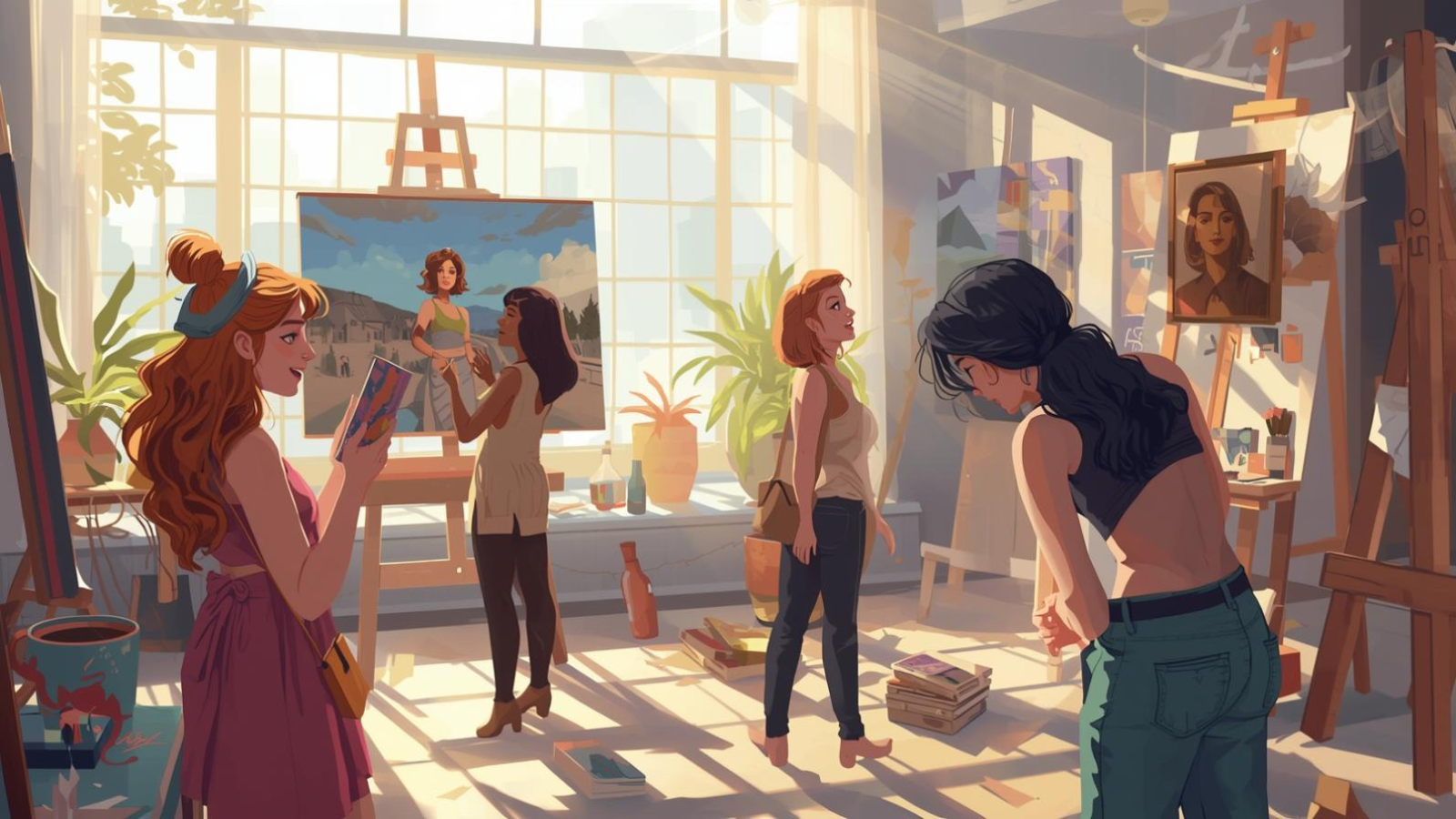
Art speaks without sound. It communicates through color, form, movement, light, and expression. For the Deaf community, this visual language is not secondary—it is central. Many people have observed that Deaf individuals often demonstrate exceptional skills in visual arts, graphic design, photography, architecture, animation, and other creative fields. But why does this happen?
Is it coincidence? Or is there something deeper behind this strong connection between Deaf culture and visual creativity?
In this article, we explore how visual thinking, cultural identity, language, lived experiences, and neurological adaptation contribute to excellence in design and the arts within the Deaf community.
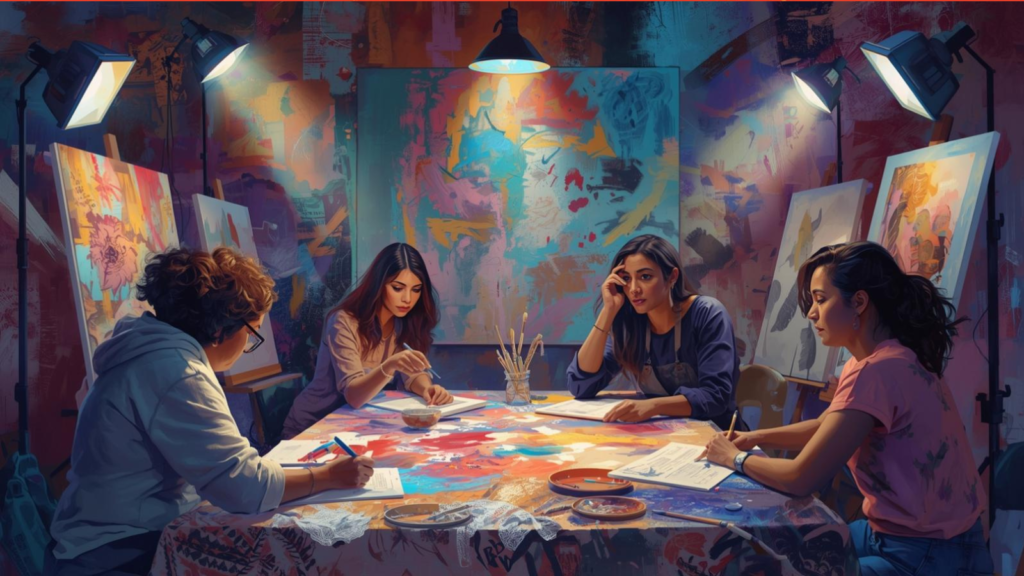
Understanding the Visual Nature of Deaf Experience
For hearing people, the world is often interpreted through sound—conversations, alerts, background noise, tone of voice. For Deaf individuals, the world is experienced primarily through sight.
Vision becomes more than just a sense—it becomes a primary channel of communication, awareness, and understanding.
From an early age, Deaf children who use sign language learn to:
- Pay close attention to facial expressions
- Notice subtle changes in body language
- Track movement carefully
- Maintain strong peripheral vision
- Focus deeply on visual detail
These daily visual demands strengthen observation skills. Over time, this heightened visual attention can translate naturally into artistic sensitivity.
Design requires awareness of space, balance, proportion, color harmony, and visual storytelling—skills that align closely with the visual strengths many Deaf individuals develop.
Visual Thinking: A Cognitive Advantage
Many Deaf individuals describe themselves as “visual thinkers.” Instead of thinking primarily in spoken words, they think in images, movements, and spatial relationships.
Research suggests that when one sensory channel (such as hearing) is reduced, the brain may reorganize to enhance other sensory processing areas—especially visual and spatial skills.
This does not mean Deaf people are “superhuman.” It simply means the brain adapts efficiently.
Visual thinking benefits design fields in powerful ways:
- Strong spatial reasoning
- Creative layout understanding
- Enhanced pattern recognition
- Ability to conceptualize complex visual structures
- Innovative problem-solving through imagery
In graphic design, architecture, fashion, photography, and animation, these abilities are incredibly valuable.
Sign Language and Artistic Expression
Sign languages are not simplified gestures. They are complete, complex, visual languages with their own grammar, rhythm, and expressive depth.
Sign language uses:
- Space to show relationships
- Facial expressions to convey tone
- Movement to show action
- Body orientation to indicate perspective
This three-dimensional language naturally develops an understanding of visual storytelling.
For example:
- Facial expression in sign language is similar to emotional expression in portrait painting.
- Spatial grammar resembles composition techniques in design.
- Rhythm in signing mirrors rhythm in visual patterns.
The artistic elements within sign language may strengthen visual creativity from childhood.

Deaf Culture and Visual Identity
Deaf culture celebrates visibility. Community gatherings, storytelling, theater performances, and artistic events are often highly visual experiences.
Because communication is visible, visual presence matters deeply.
Clothing choices, lighting, seating arrangements, and stage design are carefully considered to ensure accessibility. This constant awareness of visual space naturally cultivates design sensitivity.
Deaf artists often incorporate themes such as:
- Identity
- Silence vs. sound
- Communication barriers
- Cultural pride
- Visual empowerment
Art becomes both personal and political.
The Concept of Deaf Gain in the Arts
Traditionally, society viewed deafness as a loss. However, the idea of “Deaf Gain” reframes this perspective.
Instead of focusing on what is absent (hearing), Deaf Gain focuses on what is gained—unique perspectives, creative problem-solving, and visual strengths.
In visual arts and design, Deaf Gain may include:
- Heightened visual attention
- Deep sensitivity to body language
- Unique spatial creativity
- Strong non-verbal communication skills
- Innovation driven by adaptation
Rather than seeing deafness as a limitation in art, many scholars argue it can offer distinctive advantages.
Famous Deaf Artists and Designers
Throughout history, Deaf artists have contributed significantly to visual culture.
Examples include:
- Chuck Baird – Known for expressive works celebrating Deaf culture
- Douglas Tilden – A sculptor whose public monuments remain iconic
- Christine Sun Kim – A contemporary artist exploring sound, silence, and accessibility
- Betty G. Miller – Often called the “Mother of Deaf View Image Art”
These artists demonstrate how lived experience shapes powerful visual narratives.
Their work often communicates beyond words—reaching both Deaf and hearing audiences through shared visual language.
Why Design Fields Feel Accessible
Some professions depend heavily on verbal communication. Others depend more on visual output and technical skill.
Design fields often allow communication through:
- Sketches
- Digital mockups
- Mood boards
- Visual prototypes
- Written notes
While barriers still exist, design industries sometimes offer more flexibility than sound-centered professions.
With modern technology, Deaf designers can collaborate using:
- Messaging apps
- Video calls with captions
- Visual presentation tools
- Project management platforms
Technology has significantly reduced communication obstacles in creative industries.
Emotional Intelligence Through Visual Awareness
Deaf individuals often develop strong abilities to read facial expressions and body language.
This heightened emotional awareness supports:
- Character design
- Portrait photography
- Animation
- Fashion design
- Storyboarding
Understanding subtle emotion is essential in visual storytelling.
When designing a character or brand, reading emotional nuance can create deeper audience connection.
Overcoming Barriers in Art Education
Despite strong visual strengths, Deaf students may still face challenges in art and design education:
- Lack of interpreters
- Limited access to critiques
- Inaccessible lectures
- Few Deaf mentors
To support Deaf excellence in the arts, schools should provide:
- Qualified sign language interpreters
- Captioned instructional videos
- Visual-first teaching strategies
- Deaf role models in faculty positions
When barriers are removed, creative potential flourishes.
The Power of Visual Storytelling
Many Deaf artists use their work to share experiences that hearing audiences might never understand otherwise.
Themes often include:
- Silence as beauty
- Frustration with communication barriers
- Celebration of Deaf identity
- Critique of audism
- Exploration of sound through visuals
Art becomes advocacy.
It challenges assumptions and invites empathy.
The Role of Technology in Expanding Opportunity
Digital tools have opened new creative pathways.
Deaf designers today thrive in:
- UX/UI design
- Animation
- Motion graphics
- Web development
- Digital illustration
- Social media content creation
Because these fields rely heavily on visual communication, Deaf creatives often feel empowered within them.
Captioning tools, AI-based design software, and collaborative platforms make professional participation easier than ever before.
Creativity Born from Adaptation
Living in a hearing world often requires creative problem-solving.
Deaf individuals regularly navigate environments not designed with them in mind. This constant adaptation can build resilience and innovation—traits essential in creative industries.
Creativity often grows from challenge.
When barriers exist, imagination becomes a tool for transformation.
Breaking Stereotypes About Deaf Ability
It is important not to romanticize or stereotype. Not every Deaf person is an artist. Visual excellence is not automatic.
However, many Deaf individuals demonstrate strengths in visual domains because of:
- Daily reliance on sight
- Cultural emphasis on visibility
- Visual language foundations
- Neurological adaptation
The goal is not to generalize, but to recognize patterns of strength without limiting individuality.
How Society Can Support Deaf Artists
To create inclusive artistic environments, institutions and communities can:
- Fund Deaf-led art programs
- Provide accessible exhibitions
- Hire Deaf curators
- Include sign language in gallery tours
- Promote Deaf designers in mainstream media
Representation matters.
When Deaf artists are visible, future generations feel empowered.
The Global Impact of Deaf Creativity
Deaf creatives are influencing global design trends, social justice movements, accessibility innovation, and digital art culture.
From visual activism to branding, their contributions reshape industries.
Design is about communication.
And who better understands alternative communication than the Deaf community?
Final Thoughts: Seeing the World Differently
The Deaf community’s excellence in visual arts is not accidental. It grows from a life centered on sight, movement, expression, and spatial awareness.
Visual culture is not compensation—it is identity.
When society shifts from deficit thinking to appreciation, we see something powerful:
Deaf creativity is not about overcoming deafness.
It is about expressing a world experienced visually.
And in a world increasingly driven by images, design, and digital storytelling, that visual wisdom is more valuable than ever.
Conclusion
The connection between Deaf culture and visual arts highlights the importance of perspective. By understanding and respecting visual ways of knowing, we unlock deeper appreciation for creative diversity.
Art does not require sound to be powerful.
Sometimes, the strongest messages are seen—not heard.