Learn about the different types of deaf-mute individuals and how they communicate. Explore causes, characteristics, sign language, lip reading, AAC, and assistive technologies.
Every individual experiences the world differently, and for deaf or non-speaking individuals, communication unfolds beyond spoken sound. Historically grouped under the term “deaf-mute,” people with hearing and speech impairments represent a diverse spectrum, not a single category.
Modern understanding emphasizes that:
✔ Hearing loss varies in degree
✔ Speech ability varies widely
✔ Communication preferences differ
✔ Identity and culture matter
Understanding these differences is essential for building empathy, accessibility, and inclusion.
This article explores:
✨ Types of deaf-mute individuals
✨ Causes and characteristics
✨ Preferred communication methods
✨ Real-world challenges
✨ Role of technology & support
🧠 Understanding the Term “Deaf-Mute”
Traditionally, “deaf-mute” described individuals who:
✔ Had profound hearing loss
✔ Did not use spoken language
However, this term is now considered outdated in many contexts, as:
👉 Deafness does not automatically mean inability to speak
👉 Many deaf individuals communicate verbally
👉 Speech differences often arise from auditory limitations
Respectful alternatives include:
✨ Deaf individuals
✨ Hard of hearing
✨ Non-speaking deaf person
✨ Person with hearing impairment
✨ Types of Deaf-Mute Individuals
Hearing and speech conditions differ based on onset, severity, and development.
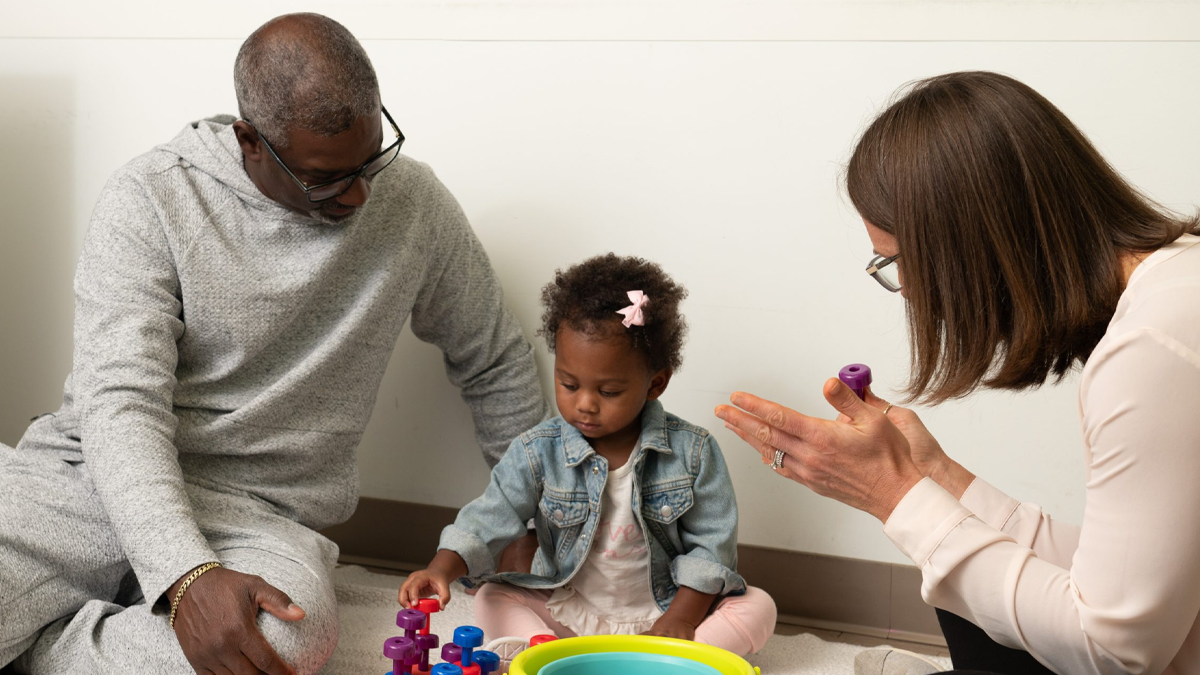
👶 1. Congenitally Deaf Individuals (Deaf from Birth)
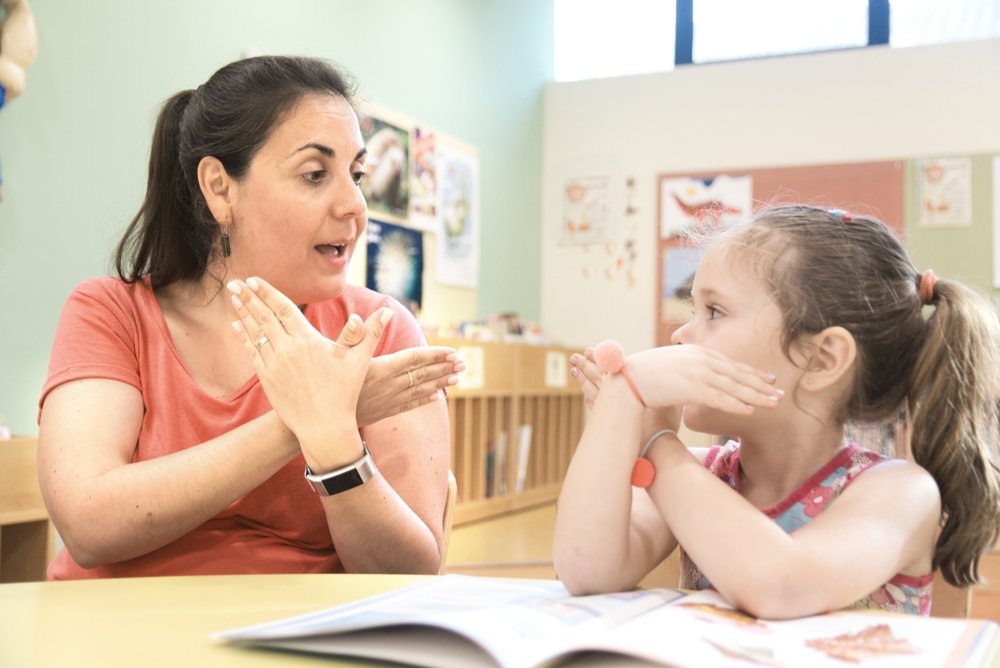

✅ Characteristics
✔ Hearing loss present at birth
✔ Speech development influenced by early exposure
✔ Often primary users of sign language
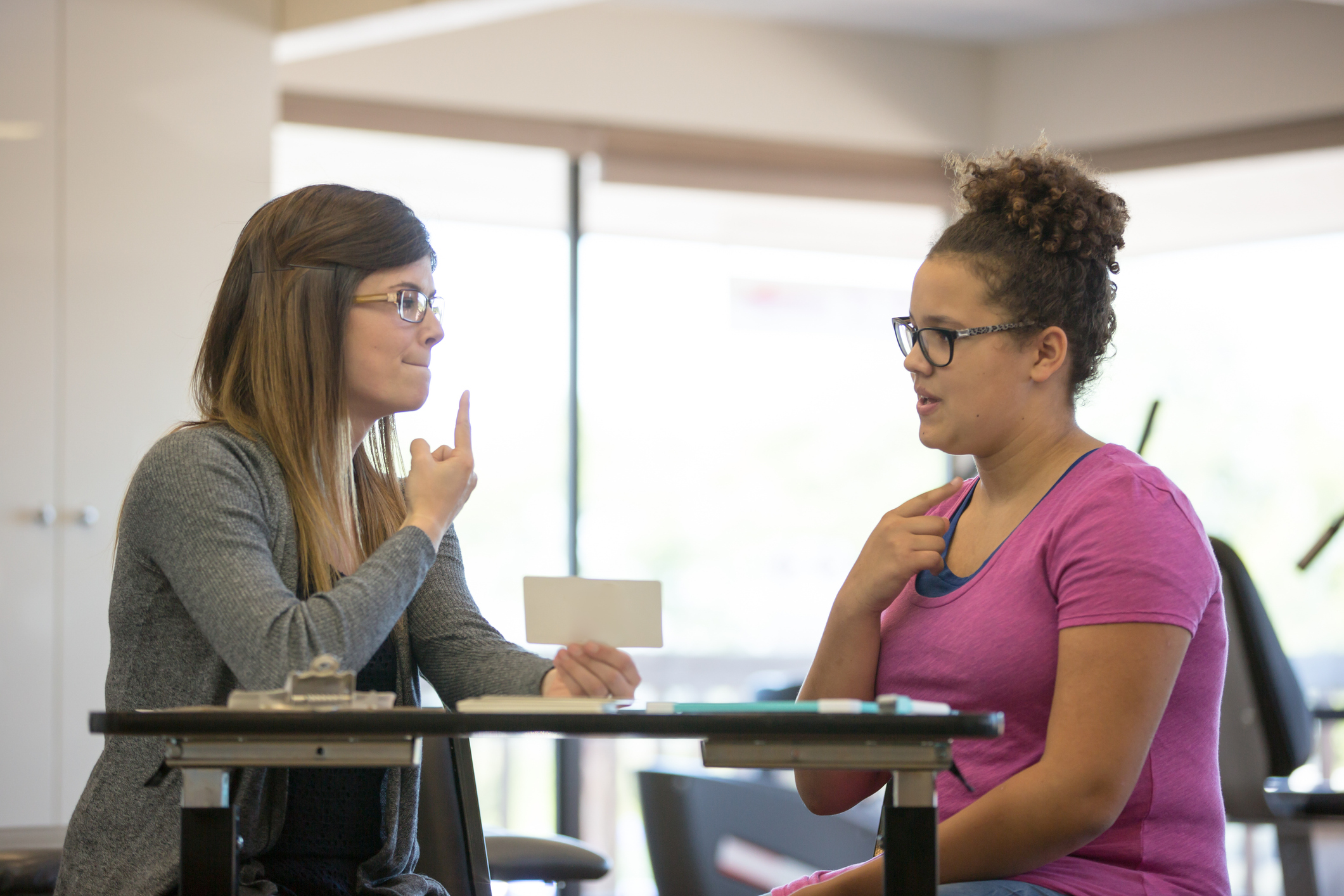
Pre-Lingual Deaf Individuals
Individuals who lose hearing before acquiring spoken language.
✅ Characteristics
✔ Limited auditory memory of speech
✔ Speech clarity may vary
✔ Strong visual communication reliance
🎯 Challenges
❌ Pronunciation difficulties
❌ Language delays without intervention
💡 Support
✔ Speech & language therapy
✔ Sign language education
✔ Inclusive schooling
🧑 3. Post-Lingual Deaf Individuals

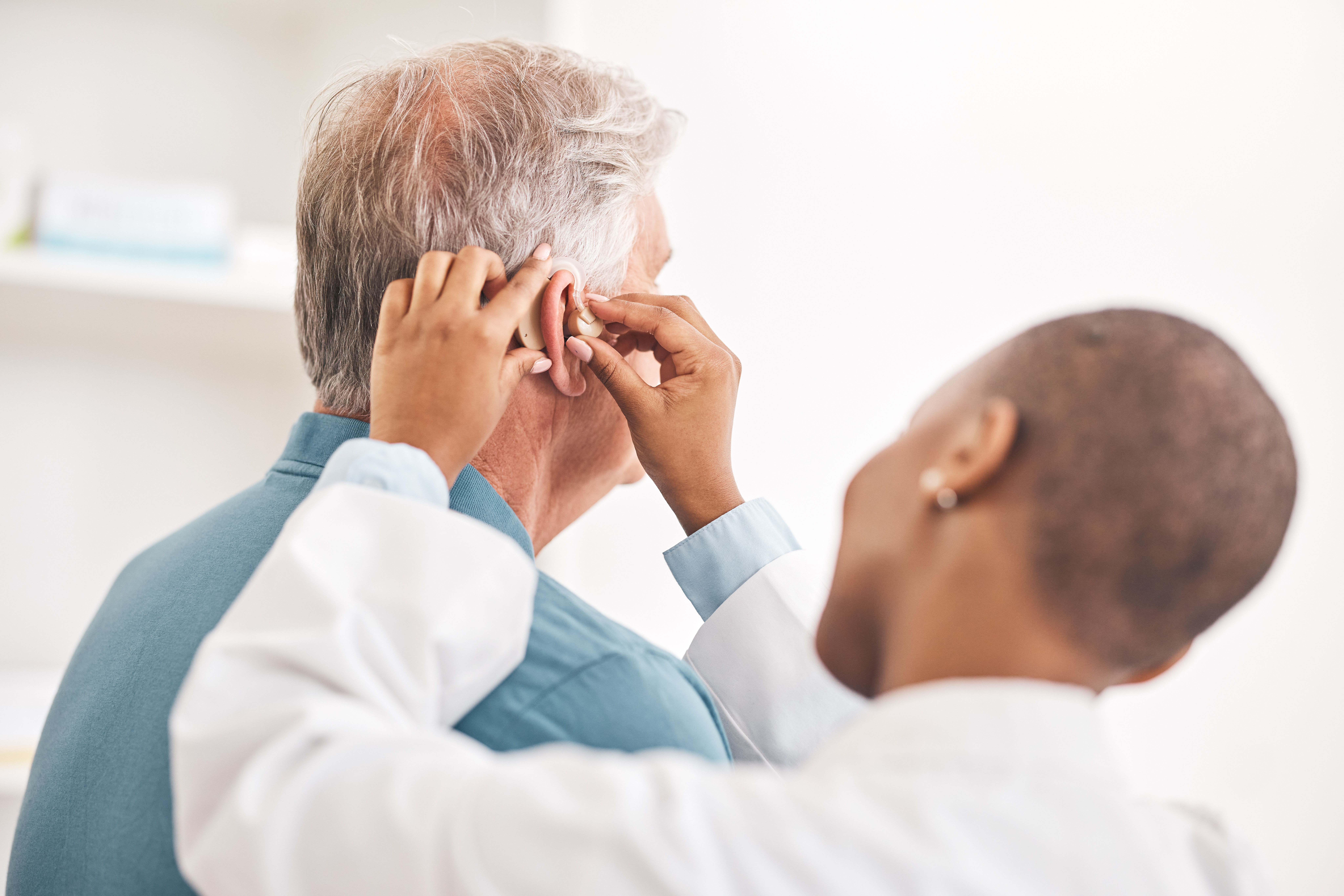
Individuals who lose hearing after developing speech and language.
✅ Characteristics
✔ Retain spoken language ability
✔ May use hearing devices
✔ Often combine speech + visual tools
🎯 Emotional Impact
- Identity adjustment
- Communication adaptation
💡 Strength
Existing language foundation aids smoother transitions.
🔊 4. Hard of Hearing Individuals
Partial hearing loss rather than complete deafness.
✅ Characteristics
✔ Benefit from hearing aids
✔ Often use spoken language
✔ May use lip reading
🎯 Needs
✔ Reduced background noise
✔ Clear articulation
✔ Captioning support
🧏♀️ Non-Speaking Deaf Individuals

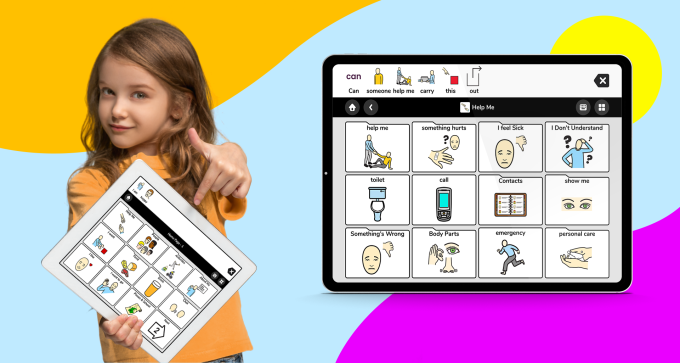

Individuals who:
✔ Do not use spoken language
✔ Prefer sign language or AAC
✔ May face speech production challenges
💡 Important Note
Speech absence ≠ cognitive limitation.
🧠 Deaf-Blind Individuals
People with combined hearing and visual impairments.

4
✅ Communication Methods
✔ Tactile signing
✔ Braille
✔ Touch cues
✔ Assistive technology
Requires specialized accessibility systems.
🗣 Communication Methods Used by Deaf & Non-Speaking Individuals
Communication is dynamic and personalized.
✋ 1. Sign Language
✔ Full visual-spatial language
✔ Grammar & syntax
✔ Facial expressions convey tone
Examples:
- Indian Sign Language (ISL)
- American Sign Language (ASL)
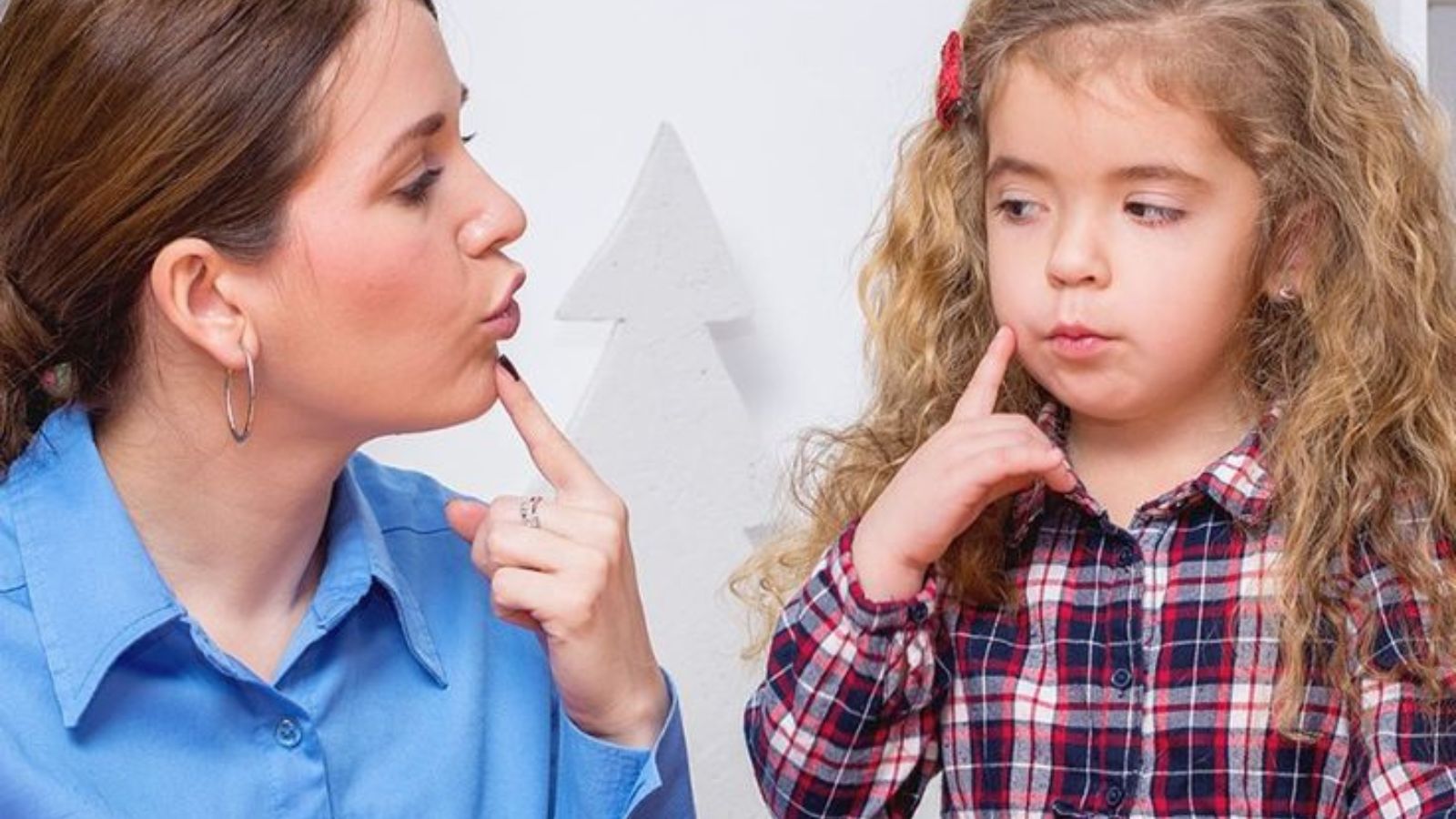
👄 2. Lip Reading (Speech Reading)
✔ Understanding via lip movements
✔ Supported by facial expressions
✔ Accuracy varies by context
📝 3. Written Communication
✔ Notes
✔ Chat/text
✔ Whiteboards
Simple yet effective.
📱 4. Digital & Text-Based Tools
✔ Messaging apps
✔ Speech-to-text
✔ Live captioning
Technology improves independence.
🔊 5. Assistive Listening Devices
✔ Hearing aids
✔ Cochlear implants
✔ FM systems
Enhance residual hearing.
🧩 6. AAC (Augmentative & Alternative Communication)
✔ Symbol boards
✔ Apps
✔ Communication devices
Helpful for individuals with speech limitations.
🚧 Challenges Across Types
🏫 Education
❌ Lack of interpreters
❌ Limited visual resources
💼 Employment
❌ Communication bias
❌ Underestimated capabilities
🏥 Healthcare
❌ Miscommunication risks
🧍 Social Interaction
❌ Isolation
❌ Misunderstandings