Explore the real challenges faced by deaf-mute individuals in schools and workplaces. Learn about communication barriers, accessibility gaps, discrimination, and inclusive solutions.
For most people, learning in a classroom or collaborating at work relies heavily on spoken communication. Lectures, discussions, meetings, phone calls, and presentations form the backbone of modern education and professional environments.
For deaf and non-speaking individuals, however, these everyday settings can present invisible yet significant obstacles.
These challenges are rarely caused by a person’s hearing or speech condition alone. More often, they stem from:
Lack of accessibility
Limited awareness
Communication barriers
Institutional gaps
Understanding these realities is essential for building environments where everyone has equal opportunity to learn, contribute, and succeed.
🎓 Challenges in Education
Education shapes confidence, independence, and future careers. Yet many deaf students face systemic barriers.
🗣 1. Communication Barriers in the Classroom
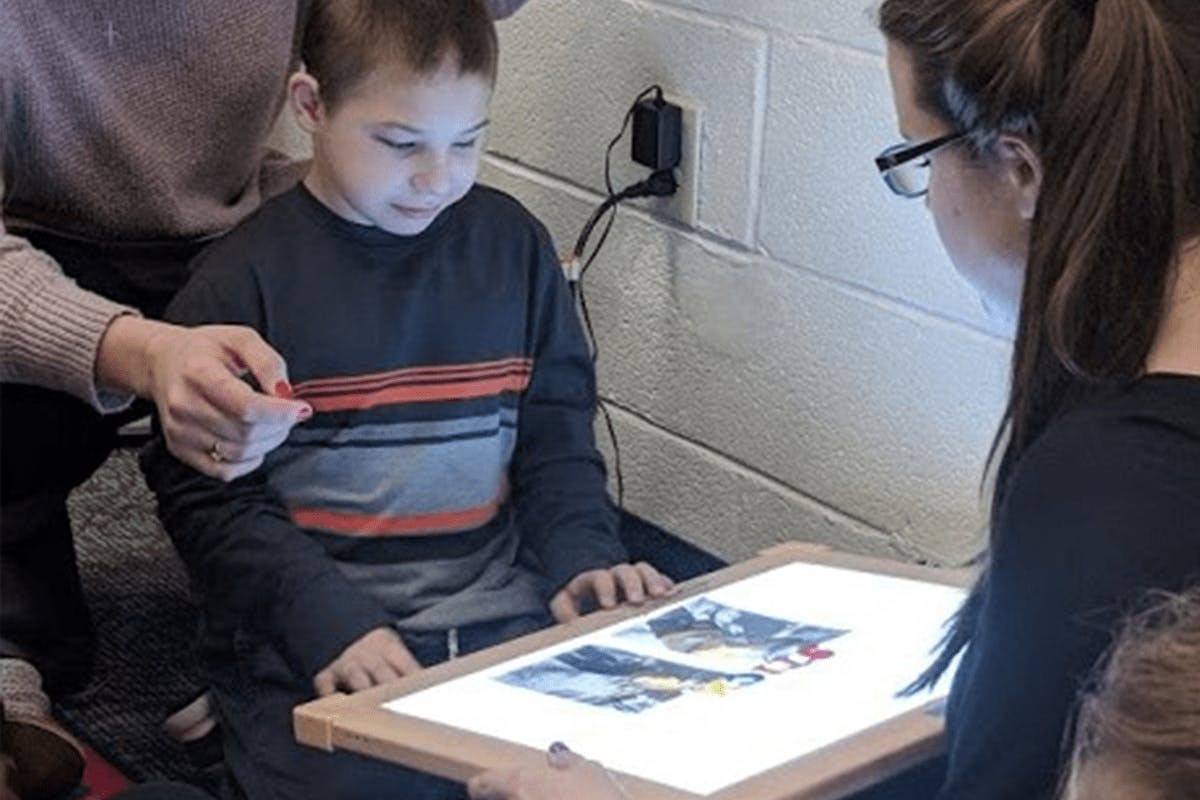


Traditional classrooms are designed primarily for hearing students.
Common difficulties include:
- Teachers speaking while facing the board
- Lack of sign language interpreters
- No real-time captions
- Fast-paced verbal discussions
For deaf students, missing even fragments of information can disrupt understanding of entire lessons.
📚 2. Limited Access to Learning Materials
Many educational resources depend on audio:
Uncaptioned videos
Audio lectures
Verbal instructions
Without:
Captions
Transcripts
Visual aids
…students may struggle to grasp core concepts.
🧑🏫 3. Lack of Trained Educators
Not all teachers are trained in:
- Deaf awareness
- Visual teaching strategies
- Inclusive communication
This may unintentionally lead to:
⚠ Miscommunication
⚠ Student disengagement
⚠ Frustration on both sides
🧍 4. Social Isolation Among Peers
School is not just academic — it’s social.
Deaf students may experience:
❌ Difficulty joining conversations
❌ Feeling excluded
❌ Reduced participation in group activities
This isolation can affect:
- Self-esteem
- Emotional well-being
- Sense of belonging
🧠 5. Misinterpretation of Abilities
Some students are wrongly perceived as:
🚫 Less capable
🚫 Slow learners
When the real issue is accessibility, not intelligence.
💡 6. Inadequate Support Services
Missing elements may include:
❌ Speech therapy
❌ Interpreters
❌ Assistive listening devices
❌ Individual learning accommodations
1. Communication Barriers at Work


Workplaces rely on:
- Meetings
- Phone calls
- Presentations
- Informal discussions
Without accommodations, deaf employees may struggle with:
❌ Following conversations
❌ Participating actively
❌ Accessing verbal updates
📞 2. Phone-Based Communication Issues
Many roles expect:
❌ Handling calls
❌ Voice-based coordination
Alternative systems are not always offered:
✔ Email
✔ Chat
✔ Video relay services
⚖ 3. Hiring Bias & Misconceptions
Some employers mistakenly assume:
🚫 Deaf individuals are less productive
🚫 Communication will be too difficult
🚫 Accommodations are costly
This bias restricts equal opportunity.
🧑🤝🧑 4. Workplace Social Exclusion
Deaf employees may miss:
- Casual conversations
- Networking opportunities
- Team bonding
Which can impact:
⚠ Career growth
⚠ Workplace relationships
⚠ Confidence
📊 5. Limited Career Advancement
Barriers to promotions may arise due to:
❌ Misjudged communication ability
❌ Reduced visibility
❌ Lack of inclusive evaluation systems
🏢 6. Lack of Accessibility Infrastructure
Missing supports may include:
❌ Real-time captioning
❌ Sign interpreters
❌ Visual alerts
❌ Accessible training sessions
😞 7. Emotional & Psychological Stress
Workplace struggles may lead to:
- Anxiety
- Fatigue
- Feeling undervalued
- Burnout
🌐 Root Cause: Disability vs Accessibility
Modern disability frameworks emphasize:
👉 Individuals are not limited by impairments alone
👉 They are limited by environmental barriers
Example:
A deaf employee isn’t “disabled” in a meeting — the meeting becomes disabling without captions or interpretation.
💡 Solutions for Inclusive Education
✔ 1. Sign Language Interpreters
Provide equal access to lectures and discussions.
✔ 2. Captioned Content
✔ Videos
✔ Recorded lectures
✔ Online classes
✔ 3. Visual Teaching Methods
- Diagrams
- Slides
- Demonstrations
✔ 4. Teacher Training
Deaf awareness & inclusive pedagogy.
✔ 5. Peer Sensitization
Build empathy and reduce stigma.
✔ 6. Assistive Technology
✔ Hearing devices
✔ Speech-to-text tools