
Discover the truth about deaf-mute individuals. Learn common myths, real facts, communication methods, challenges, and modern inclusive perspectives promoting awareness and accessibility.
Communication shapes human relationships, education, careers, and identity. Yet for millions of people worldwide, communication happens through different channels — visual, tactile, expressive — rather than purely auditory speech.
Individuals historically labeled as “deaf-mute” represent a diverse and vibrant community whose experiences often remain misunderstood. Myths, outdated assumptions, and social stigma continue to cloud public perception.
This article aims to:
✔ Replace misconceptions with facts
✔ Explain modern perspectives
✔ Promote respectful language
✔ Encourage inclusive attitudes
Because awareness is the first step toward accessibility, dignity, and equality.
🧠 What Does “Deaf-Mute” Mean Today?
Traditionally, “deaf-mute” described individuals who:
✔ Had significant hearing loss
✔ Did not use spoken language
However, modern understanding recognizes that:
👉 Deafness ≠ inability to speak
👉 Many deaf individuals can speak
👉 Speech differences may result from limited hearing feedback
Today, more respectful and accurate terms include:
✨ Deaf individual
✨ Hard of hearing
✨ Non-speaking deaf person
✨ Person with hearing impairment
Language evolves — and so should our attitudes.
🚫 Myth 1: Deaf People Cannot Communicate
✅ Fact: Communication Is Highly Adaptive
Deaf individuals communicate through:
✔ Sign language
✔ Lip reading
✔ Writing/text
✔ Gestures & expressions
✔ Assistive technology
Sign languages are complete natural languages with grammar, syntax, and cultural depth.
Communication is not limited — it’s different.
🚫 Myth 2: Deafness Means Low Intelligence
✅ Fact: Hearing Ability Has No Link to Intelligence
Cognitive ability is independent of hearing status.
Deaf individuals excel as:
🎓 Scholars
💻 Engineers
🎨 Artists
🏅 Athletes
👩🏫 Educators
Barriers arise from accessibility gaps — not capability.
🚫 Myth 3: All Deaf Individuals Use Sign Language
✅ Fact: Communication Preferences Vary
Some use:
✔ Spoken language
✔ Sign language
✔ Both (bilingual approach)
✔ Lip reading
✔ AAC systems
Each person’s experience is unique.
🚫 Myth 4: Deaf Individuals Cannot Speak
✅ Fact: Many Deaf People Develop Speech
With:
✔ Speech therapy
✔ Auditory training
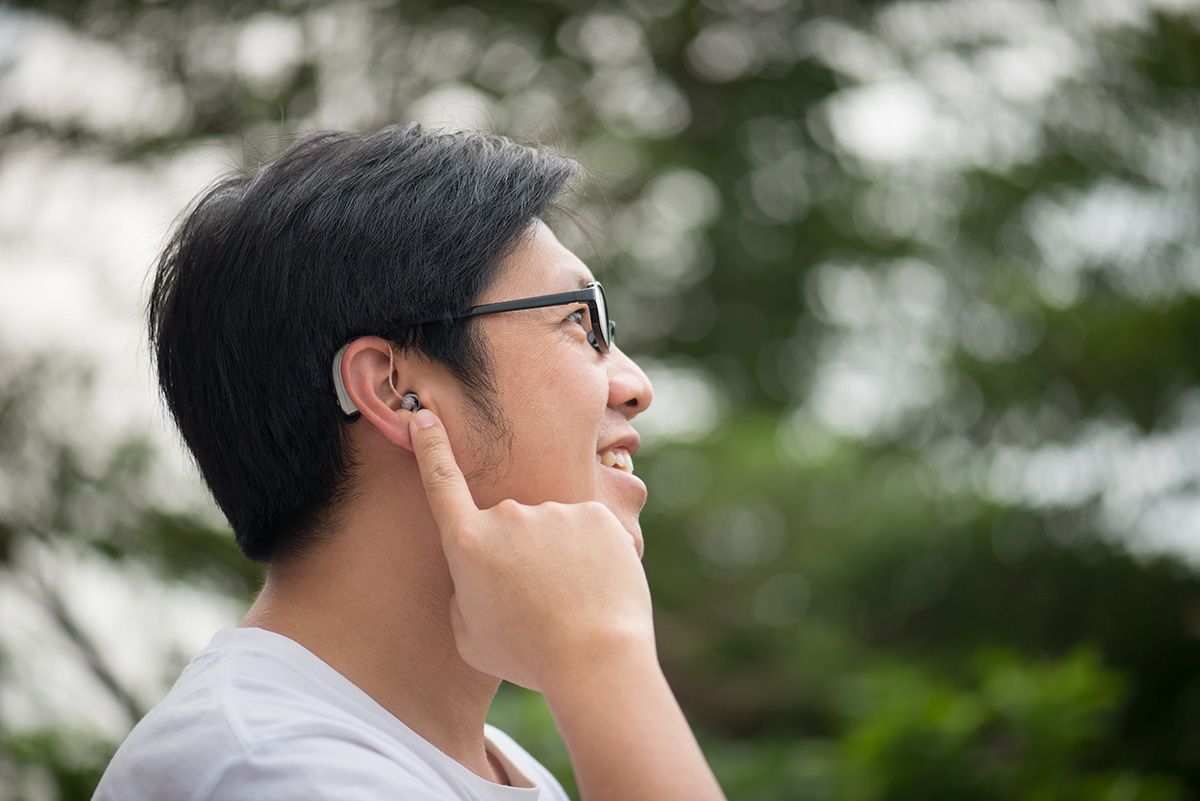
✔ Hearing aids / implants
Speech ability depends on:
- Degree of hearing loss
- Age of onset
- Early intervention
🚫 Myth 5: Deaf People Live Limited Lives
✅ Fact: Deaf Individuals Lead Full, Successful Lives
They participate in:
✔ Education
✔ Careers
✔ Entrepreneurship
✔ Arts & culture
✔ Leadership roles
Limitations are socially created — not inherently defined.
✅ Real Facts About Deaf & Non-Speaking Individuals
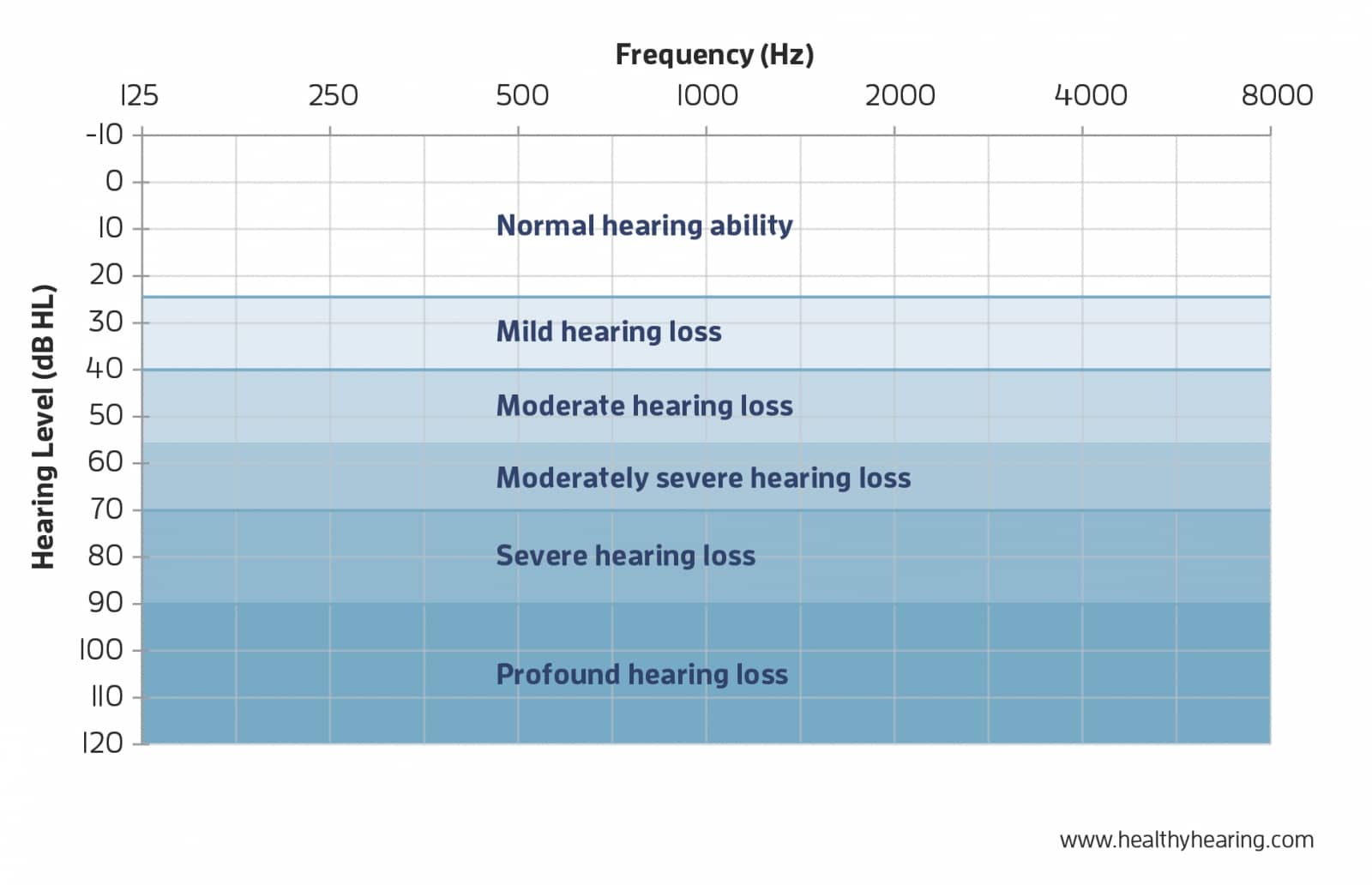
🔍 1. Deafness Exists on a Spectrum

4
Types include:
✔ Mild
✔ Moderate
✔ Severe
✔ Profound
Some individuals are:
- Hard of hearing
- Completely deaf
- Late-deafened
🗣 2. Speech Differences Are Often Environmental
Speech development depends on:
✔ Early diagnosis
✔ Language exposure
✔ Therapy & support
Delayed speech ≠ lack of intelligence.
✋ 3. Sign Language Is a Rich Visual Language
Sign language includes:
✔ Hand shapes
✔ Facial expressions
✔ Body movements
Examples:
- Indian Sign Language (ISL)
- American Sign Language (ASL)
Each has distinct grammar and vocabulary.
📱 4. Technology Has Transformed Accessibility
Modern tools:
✔ Real-time captions
✔ Speech-to-text apps
✔ Video relay services
✔ Smart hearing devices
Technology bridges communication gaps rapidly.
❤️ 5. Deaf Culture Is a Strong Identity
Deafness is not always viewed as a disability but as:
✨ A linguistic identity
✨ A cultural community
✨ A shared social experience
Deaf culture values:
✔ Visual communication
✔ Community bonds
✔ Shared experiences
🌐 Modern Perspectives on Deafness
Society’s understanding is shifting from medical → social → cultural models.
🏥 1. Medical Perspective (Traditional)
Focuses on:
- Diagnosis
- Treatment
- Hearing restoration
While useful, it sometimes frames deafness solely as a deficit.
🧑🤝🧑 2. Social Perspective
Recognizes that challenges arise from:
❌ Lack of accessibility
❌ Poor communication systems
❌ Social exclusion
Example:
A deaf person isn’t “disabled” by deafness but by a meeting without captions or interpreters.
🌍 3. Cultural Perspective
Views deafness as:
✨ Identity
✨ Language
✨ Community
Promotes pride rather than pity.
🚧 Real-World Challenges
🏫 Educational Barriers
- Limited interpreters
- Lack of captioned content
- Inadequate teacher training
💼 Workplace Misconceptions
- Communication bias
- Underestimation of skills
- Accessibility gaps
🏥 Healthcare Communication Risks
- Misunderstandings
- Anxiety
- Incomplete information
🧍 Social Isolation
- Difficulty joining conversations
- Misinterpretation by others
💡 Building a More Inclusive Society
🏫 Inclusive Education
✔ Visual learning tools
✔ Interpreters
✔ Captioned lectures
💼 Workplaces
✔ Written instructions
✔ Captioning tools
✔ Inclusive policies
🏥 Healthcare Accessibility
✔ Sign language interpreters
✔ Visual communication aids
🧑🤝🧑 Interaction Tips
✔ Face the person
✔ Speak clearly
✔ Avoid exaggerated lip movement
✔ Use gestures or write
✔ Be patient